Choosing the best time visit Ethiopia depends on where you want to go and what you want to experience. Ethiopia has diverse landscapes and different regional climates, so weather conditions can vary considerably between the highlands, lowlands, and eastern regions. However, the dry season is generally popular for sightseeing, trekking, wildlife viewing, and cultural tours.
Ethiopia’s Main Travel Seasons
Ethiopia generally experiences a dry season and a rainy season, although the timing and intensity vary by region.
The main rainy period in much of the Ethiopian highlands occurs from June to September. During this period, landscapes become greener, rivers and waterfalls can be impressive, and some areas receive frequent rainfall.
From October to May, many parts of Ethiopia experience drier conditions. These months are often convenient for travelers planning multi-region itineraries.
October to January – Clear Skies and Green Landscapes
October marks the transition from the main rainy season to drier weather in many highland areas. The countryside can remain beautifully green, while clearer skies make sightseeing more comfortable.
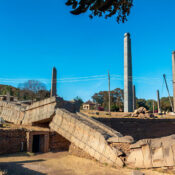
November and December are particularly attractive for travelers interested in historical sites, cultural experiences, and photography. January is also important because of Timkat, Ethiopia’s colorful celebration of Epiphany.
February to May – Warm Weather and Wildlife
February through May can be a good period for exploring many destinations across Ethiopia. Temperatures vary depending on elevation, but the central and northern highlands are often comfortable for sightseeing.
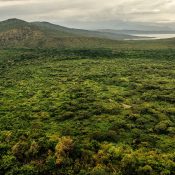
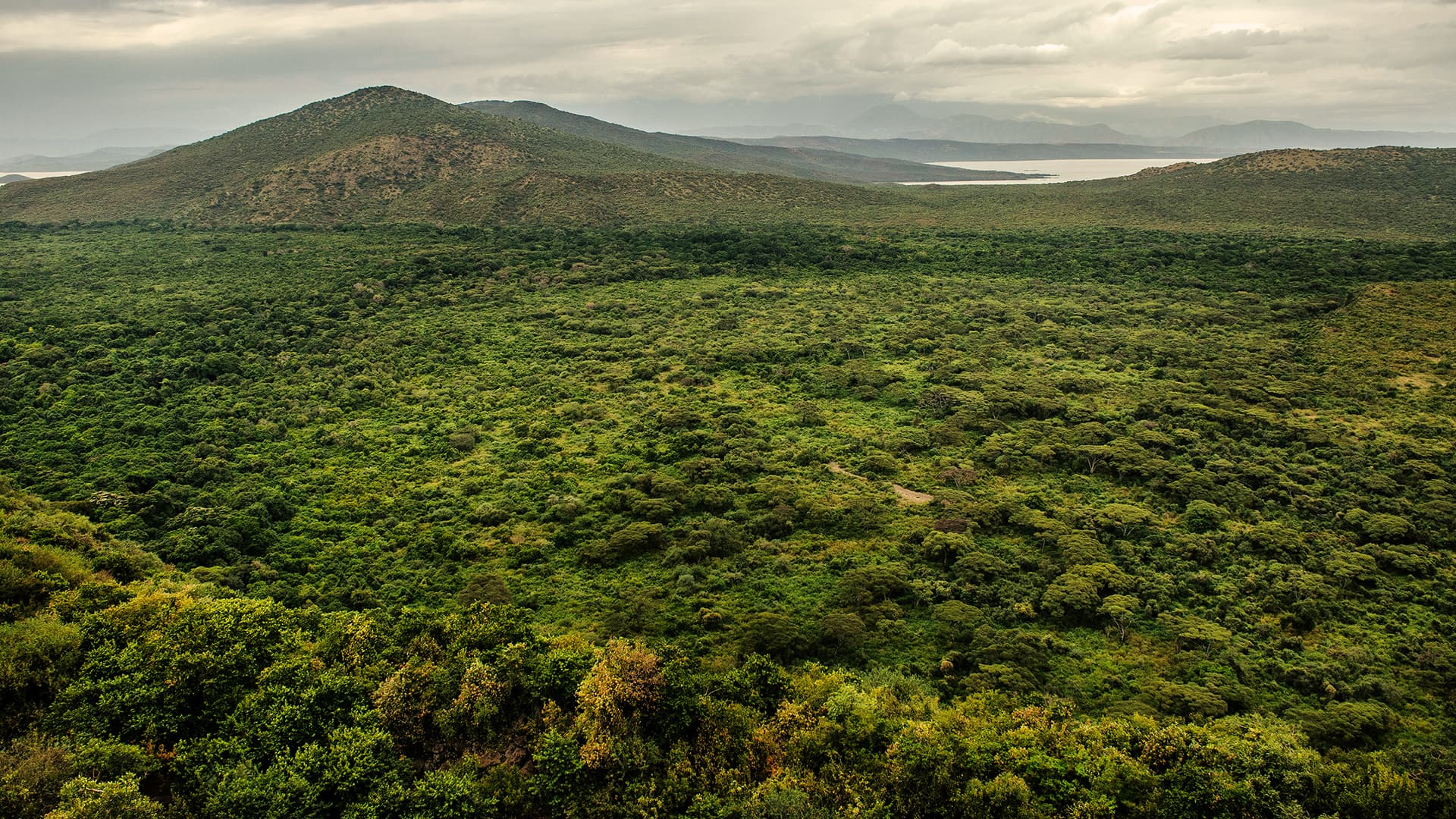
These months are suitable for combining historical attractions with wildlife and nature experiences. Travelers can explore destinations such as Addis Ababa, Lalibela, Gondar, the Rift Valley, and the Bale Mountains.
June to September – The Green Season
The months from June to September bring the main rainy season to much of the Ethiopian highlands. Rainfall can affect road conditions and trekking schedules, particularly in mountainous areas.
Nevertheless, the green season has its own attractions. Landscapes become lush and vibrant, waterfalls can be spectacular, and fewer visitors may be found at some attractions.
Travelers who visit during this period should allow flexible schedules and prepare for changing weather.
Best Time for Trekking
If trekking is your priority, the dry months are generally more convenient. The Simien and Bale Mountains can offer excellent hiking experiences when trails are relatively dry and visibility is good.
Conditions can still change quickly at high elevations, so warm layers, waterproof clothing, and suitable hiking equipment are important throughout the year.
Best Time for Wildlife
Ethiopia’s diverse ecosystems support remarkable wildlife throughout the year. The Bale Mountains are known for species such as the Ethiopian wolf and Mountain Nyala, while the Simien Mountains provide opportunities to see Gelada baboons.
Wildlife experiences can vary with location and season. Local guides can help travelers choose routes based on current conditions and the species they hope to see.
Best Time for Cultural Festivals
Ethiopia has a rich calendar of religious and cultural celebrations. Timkat in January is one of the country’s most famous festivals, featuring colorful processions, traditional ceremonies, music, and community gatherings.
Meskel, usually celebrated in September, is another major cultural and religious event. Travelers interested in festivals should plan well ahead because popular destinations can become busy during major celebrations.
Best Time for the Danakil Depression
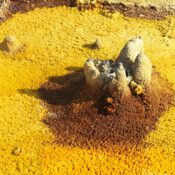
The Danakil Depression has an extremely hot environment, so seasonal conditions are especially important. The cooler months are generally more suitable for visiting this remote region.
Travel to the Danakil requires careful planning, experienced local guides, suitable vehicles, and appropriate logistical support. Mare Ethiopia Tours can help organize the journey according to regional conditions.
Best Time for the Omo Valley
The Omo Valley can be visited during different times of the year, but road and weather conditions should be considered when planning the journey.
A visit to this region offers opportunities to discover diverse communities, traditional lifestyles, local markets, and spectacular landscapes. Because travel distances are significant, a well-planned itinerary helps make the experience more comfortable.
What to Pack for Ethiopia
Your packing list should depend on the destinations and season of your trip. Comfortable walking shoes, lightweight clothing, a warm layer, sun protection, and a reusable water bottle are useful for many itineraries.
For mountain trekking, add warmer clothing and rain protection. For lowland destinations such as the Danakil Depression, lightweight clothing, sun protection, and plenty of water are particularly important.
Plan Your Ethiopia Holiday
The best time visit Ethiopia ultimately depends on your destinations, activities, and preferred travel experience. The dry season can be convenient for classic sightseeing and trekking, while the rainy season offers greener landscapes and a different perspective of the country.
Mare Ethiopia Tours can help you choose suitable destinations and create a personalized itinerary based on your travel dates, interests, and preferred experiences.
Ready to explore Ethiopia? Contact Mare Ethiopia Tours and start planning your journey.